
Living democracy: A lively plea for more courage in Europe
06. Nov 2021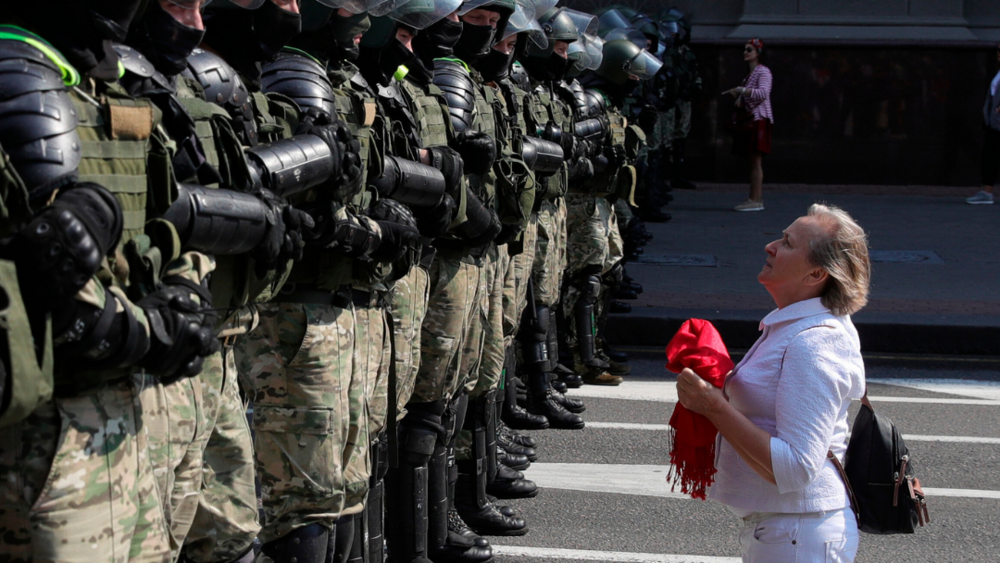
On business trips and state visits, I meet politicians and diplomats from whom I often hear: "We admire your courage and support your cause, but unfortunately there is not much we can do. Without Russia's consent, democratic change in Belarus would be impossible, they often say. We have exhausted all our options; we cannot stop the violence; we have to take care of our own problems. I hear the same answers again and again.
How can we break through this fatalism? Counter the supposed powerlessness with a resolute 'no'? Dare to look to the future? Write a new democratic narrative and pave the way into the 21st century?
The Lukashenka regime surrounded Belarus with simple answers and lulled us into a familiar world - the world of the past. At the mercy of our own powerlessness, we did not believe that we could change anything. And what for? For whom? What good would it do? It is this apathy and powerlessness that the authoritarian regime has been able to rely on in recent decades.
Overcoming fear and apathy
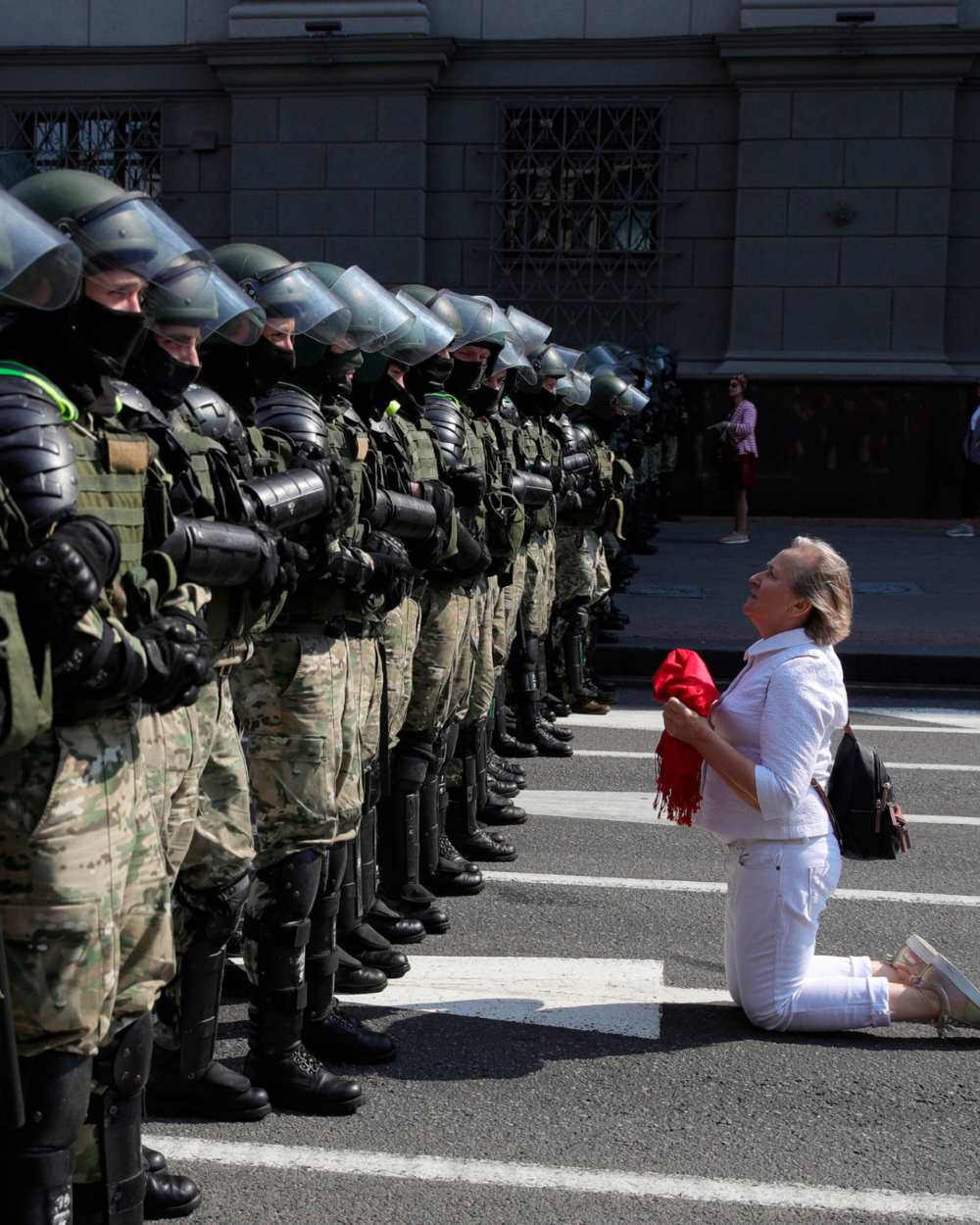
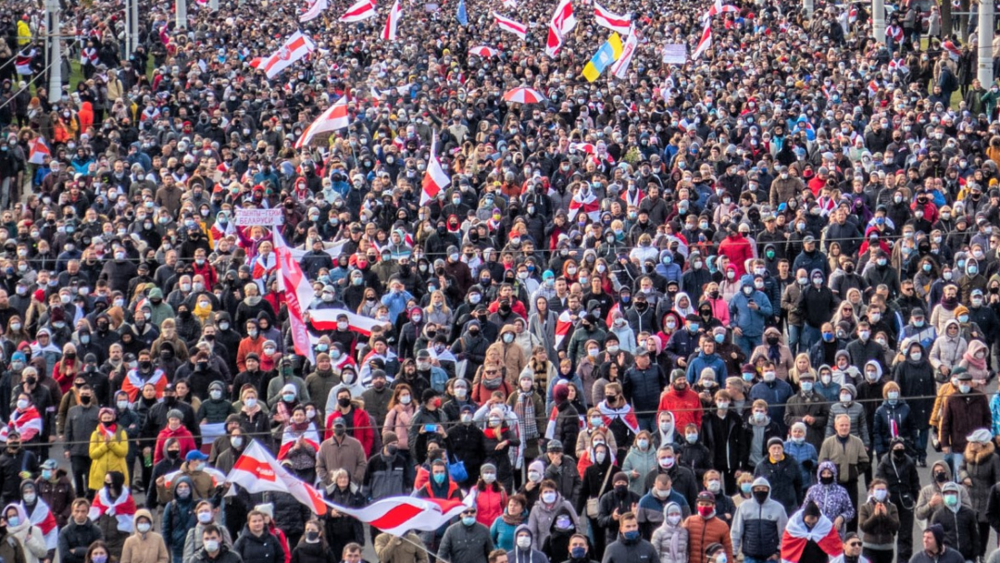
Nevertheless, something happened in the summer of 2020 that had long seemed impossible. Hundreds of thousands of Belarusians united to express their desire for change and take the fate of their country into their own hands. In a historic act of civil courage, Belarusians overcame their fear and apathy. While the first lockdowns were imposed worldwide, an unprecedented protest movement emerged in Belarus - in defiance of the pandemic and authoritarianism. Suddenly, the idea of the future was back. Images of the peaceful Belarusian protests went around the world.
The massive electoral fraud was followed by an unprecedented wave of repression that continues to this day. More than 37,000 people have been imprisoned since the presidential elections on 9 August 2020. Thousands have been humiliated, tortured and traumatised. There are currently more than 800 political prisoners, including presidential candidates Viktar Babaryka and Siarhei Tsikhanouski, my husband. Many are facing up to 20 years in prison. Every Belarusian now has a relative or friend in prison. Thousands of people have been forced to flee to safety. In August 2021, Poland alone issued over 150,000 humanitarian visas for Belarusians in exile. The actual number is likely to be much higher.
The Lukashenka regime is acting out of revenge and fear. The political elite is clinging to its power, which is based solely on repression and oppression. Nevertheless, we resolutely reject any form of violence. The political structure has not yet changed, but our society has already changed.
We want to determine our own future - a right that has long been denied to us. We remain in close contact with local Belarusian initiatives. Workers are preparing for a nationwide strike. Many Belarusians have joined our "Peramoha" (victory) plan, which aims to mobilise peaceful, non-violent resistance. We have developed a vision for a future democratic Belarus and announced the "New Belarus" campaign. This is already helping us to prepare concrete proposals for the necessary aid programmes, national investment plans and reforms.
In addition, we are working on dividing the political elites in Belarus by offering dialogue formats on the one hand and exerting political pressure on the other. Sanctions are an important instrument in this endeavour. Our demands remain unchanged: The release of political prisoners and free and fair elections.
Belarus is currently experiencing a profound political crisis that is costing lives every day. This includes migrants sent to Europe by the Belarusian regime. Nevertheless, we must not be blinded by illegal migration. We should not be tilting at windmills, but tackling the problem at its root. The problem is the illegitimate, illegitimate power that holds millions of people in Belarus hostage and has become a threat to regional and global peace and security.
If Belarus is forgotten and disregarded, this crisis will become a threat to all democracies in the world. It is therefore the order of the day to lead Belarus out of the political crisis peacefully and to bring the Belarusian political elites to the negotiating table with regional and international partners. Germany could play an important mediating role here.
For the future of democracy in Europe
What is often taken for granted in Germany and Europe is something that thousands of Belarusians have to fight for every day: freedom. This is not just about Belarus. It is about the future of democracy in Europe. We need a radical rethink and more courage for democracy.
Nevertheless, many politicians are often shackled by fear of unpopular political decisions, of missteps that could cost them their careers. But we don't need fear, we need more courage. We need a vision for the future. We have no time to lose. In the face of the crises of the century such as climate change, the Covid-19 pandemic, rapidly growing inequalities, demographic change and dwindling trust in politics and democratic institutions, we need to act quickly and boldly.
Europe must once again become a magnet for other countries and free itself from fatalism and the belief in its own powerlessness. We must encourage and support people who actively campaign for change and want to take fate into their own hands, because democracy thrives on action.
Germany is not simply an economic and export country; Germany is a constitutional state based on democratic values. Just as Europe is not simply a single market, but a continent united by fundamental rights and freedoms. We owe the next generation a rousing European narrative and a hands-on, innovative democracy. We need to change this for the sake of Europe's future viability.