
![[Translate to English:] Helmut Schmidt sitzt gut gelaunt im neuen Büro, 09.05.1983.](/fileadmin/_processed_/3/9/csm_%C3%9Cber_uns_Bild_Helmut_Schmidt_B%C3%BCro_09051983_6d12a63fde.png)


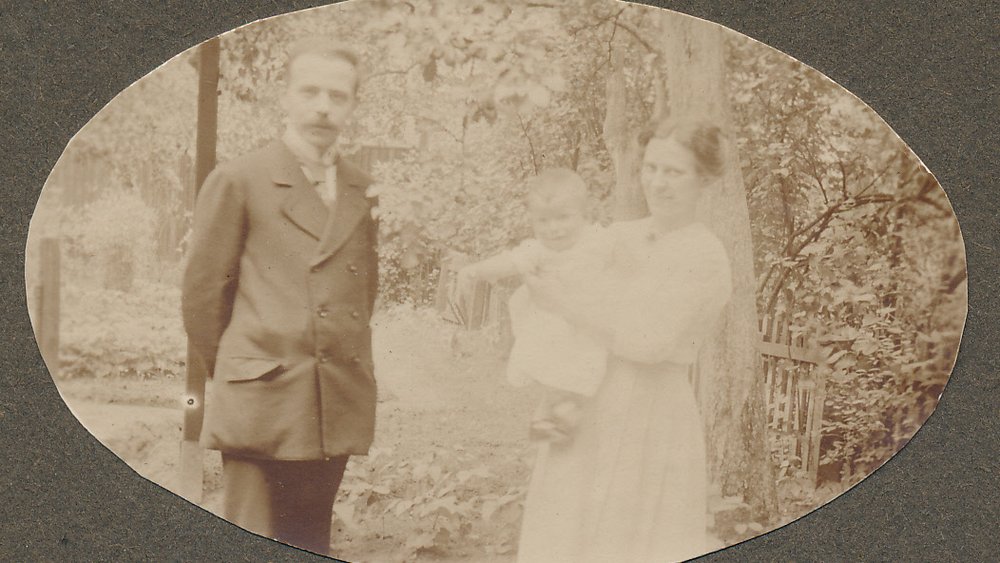
1937
- Matriculation examination at the Lichtwarkschule in Hamburg Completion of the Reich Labour Service
- Called up for two years of military service
1939 – 1945
As a soldier in the Luftwaffe, participation in the war against the Soviet Union and in the last weeks of the war on the Rhine and Moselle, otherwise used in the “home war zone”, service mostly as an instructor for light anti-aircraft guns (last rank Lieutenant)
1942
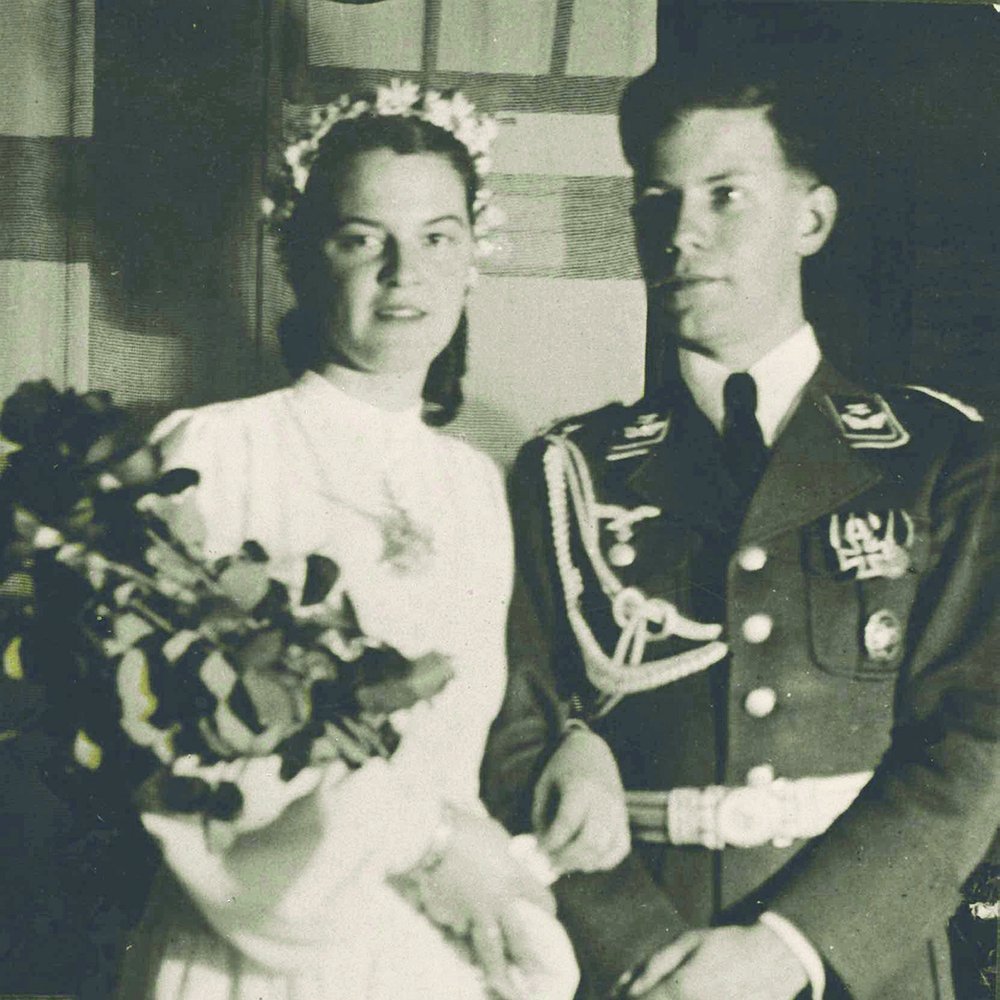
Marriage to Hannelore (“Loki”) Glaser in Hamburg (1944 birth of son Walter, who dies before his first birthday; 1947 birth of daughter Susanne)
1945
- Return from British captivity as a prisoner of war
- Starts studying economics and political science at the University of Hamburg in the winter semester (graduates in 1949)
1946 – 1948
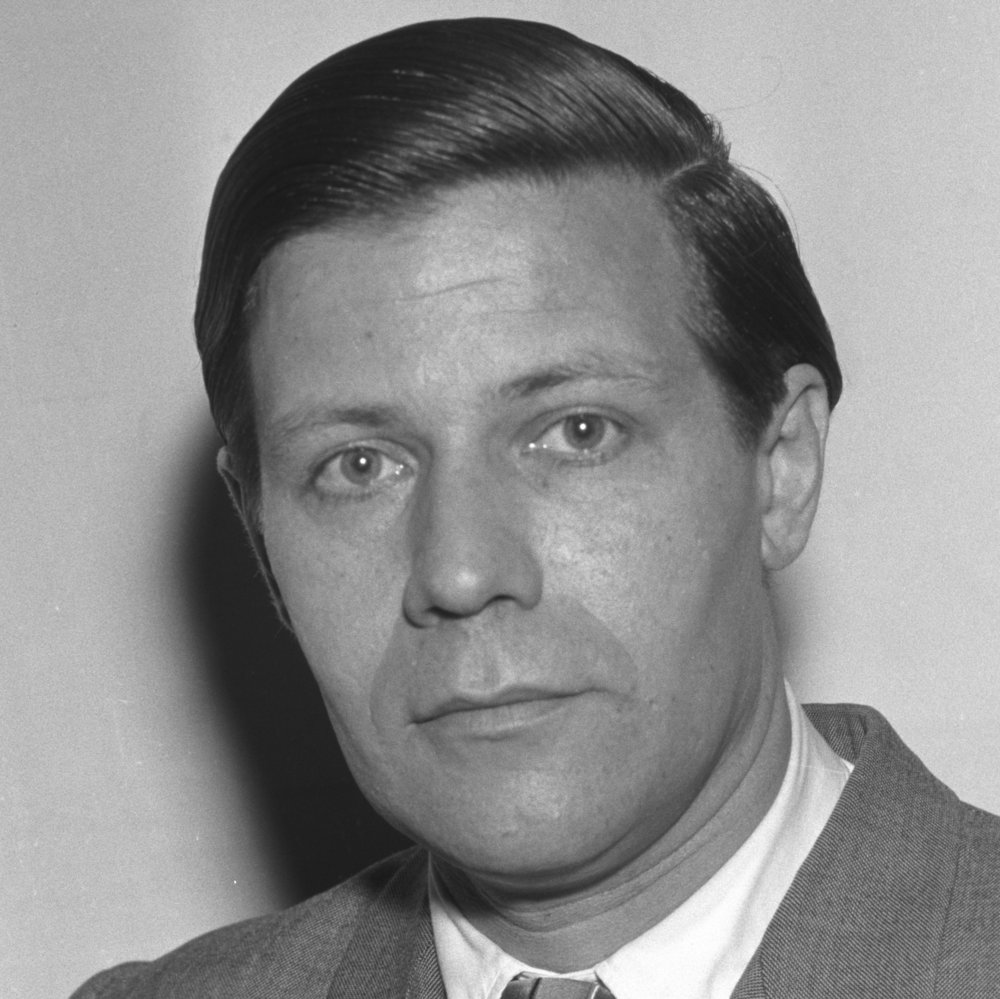
- Joined the Social Democratic Party of Germany (SPD) (1946)
- Takes over the chairmanship of the Socialist German Student Association (1947)
1949 – 1953
Initially a consultant, later head of department at the Ministry of Economics and Transport in Hamburg under Senator (and later Federal Minister of Economics and Finance) Karl Schiller
1953 – 1961
- Member of the German Bundestag, elected to the Federal Executive Committee of the SPD (1958)
- Member of several committees (e.g. transport, economy, European security)
1961 – 1965
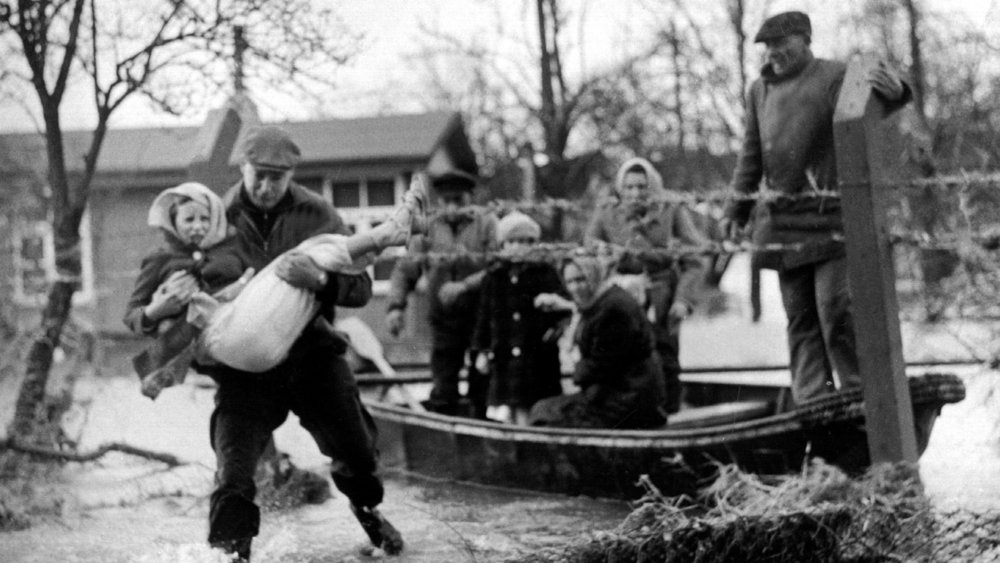
- After the SPD loses the 1961 Bundestag elections, he returns to Hamburg, where he initially becomes police senator and later interior senator
- Storm surge in Hamburg: Helmut Schmidt establishes his reputation as a crisis manager during the rescue operations in February 1962
1965
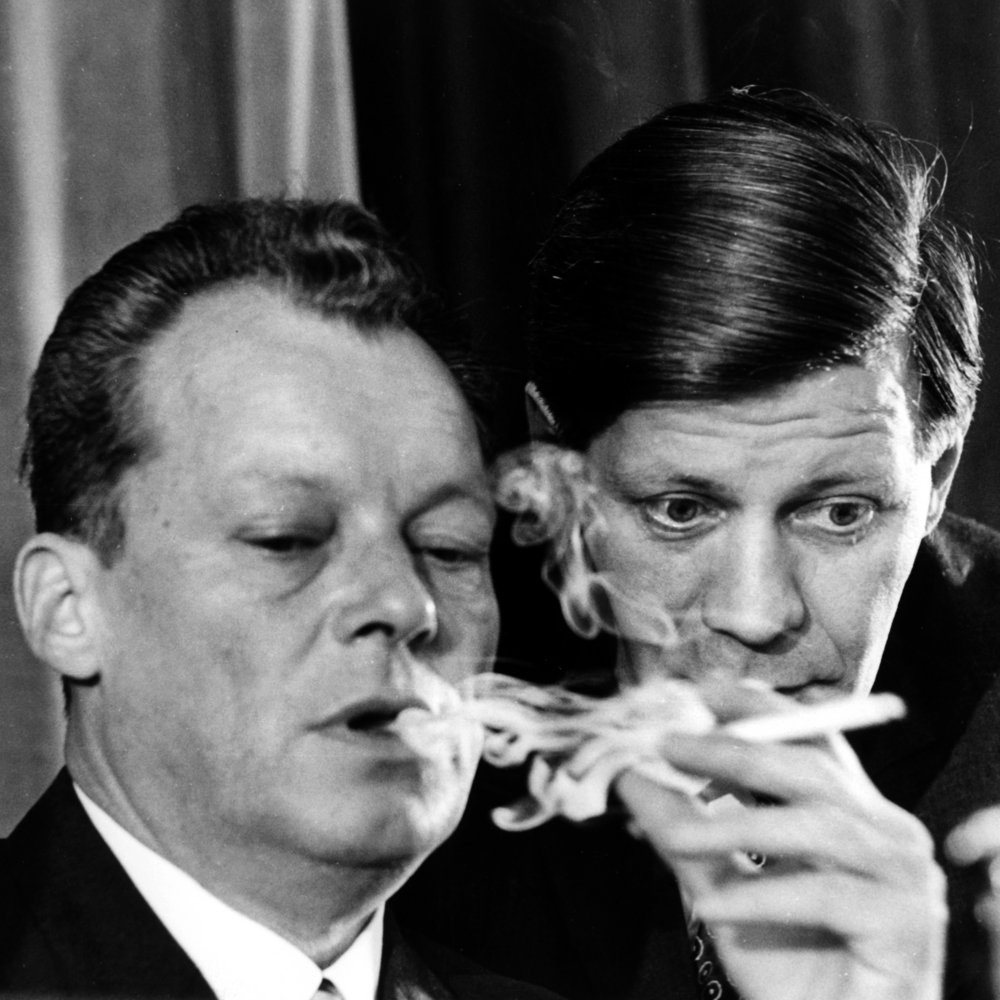
Returns to Bonn as a member of the Bundestag, intended as a minister in the government team of SPD chancellor candidate Willy Brandt, but the SPD loses the Bundestag election again
1966 – 1969
- After the premature end of the CDU/CSU/FDP government, formation of the first grand coalition of CDU and SPD
- Assumption of the SPD parliamentary group chairmanship in the Bundestag from Fritz Erler, who was seriously ill (1966/1967)
1968 – 1984
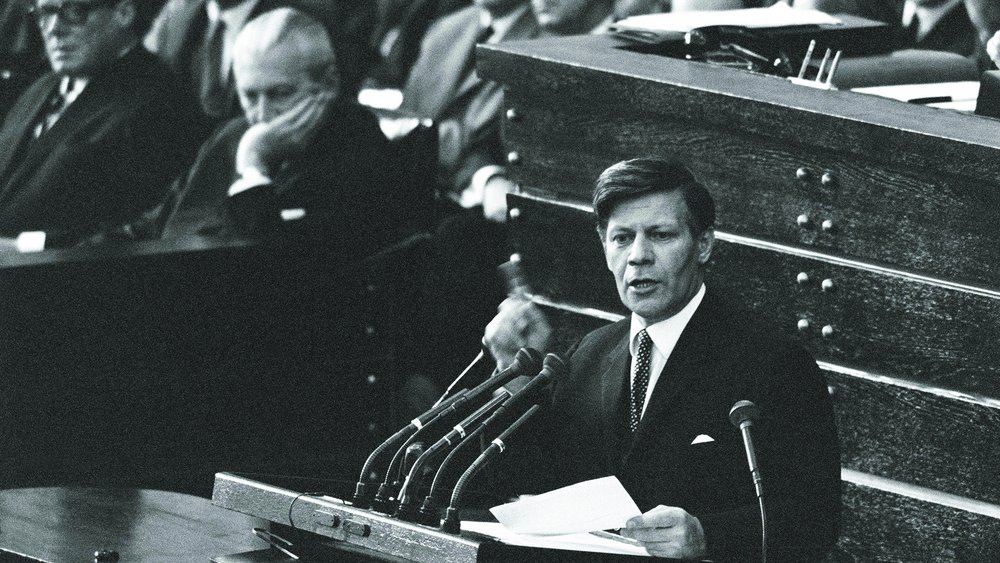
Deputy Chairman of the SPD
1969 – 1972
- Sworn in as Defence Minister in the first social-liberal cabinet of Willy Brandt in October 1969
- Publication of the defence policy paper “Strategie des Gleichgewichts” (1969)
1972 – 1974
Finance Minister in Willy Brandt's second cabinet (in the meantime also took over the Ministry of Economics)
1974 – 1975
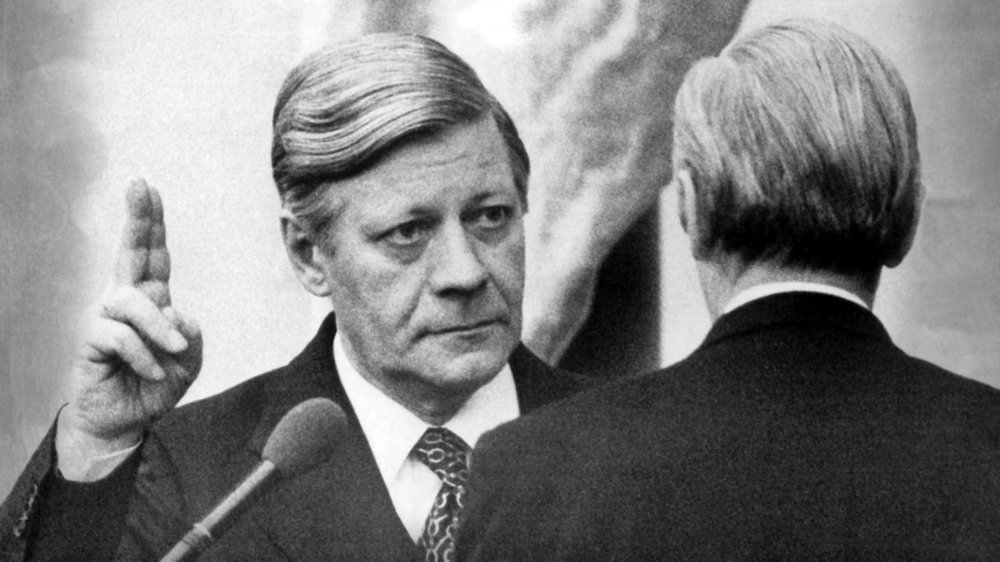
Elected the fifth Chancellor of the Federal Republic of Germany on 16 May 1974 – taking over the office from Willy Brandt, who had previously resigned
The first pages of the original speech manuscript with Schmidt's handwritten notes | PDF | © HSA
Bulletin of the new Federal Government
- Signing of the Final Act of the Conference on Security and Co-operation in Europe (CSCE) in Helsinki (1975)
- Initiates the first World Economic Summit in Rambouillet together with the French head of state Giscard d'Estaing (1975)
- Meeting with Chinese President Mao Tse-tung (1975)
1976 – 1977
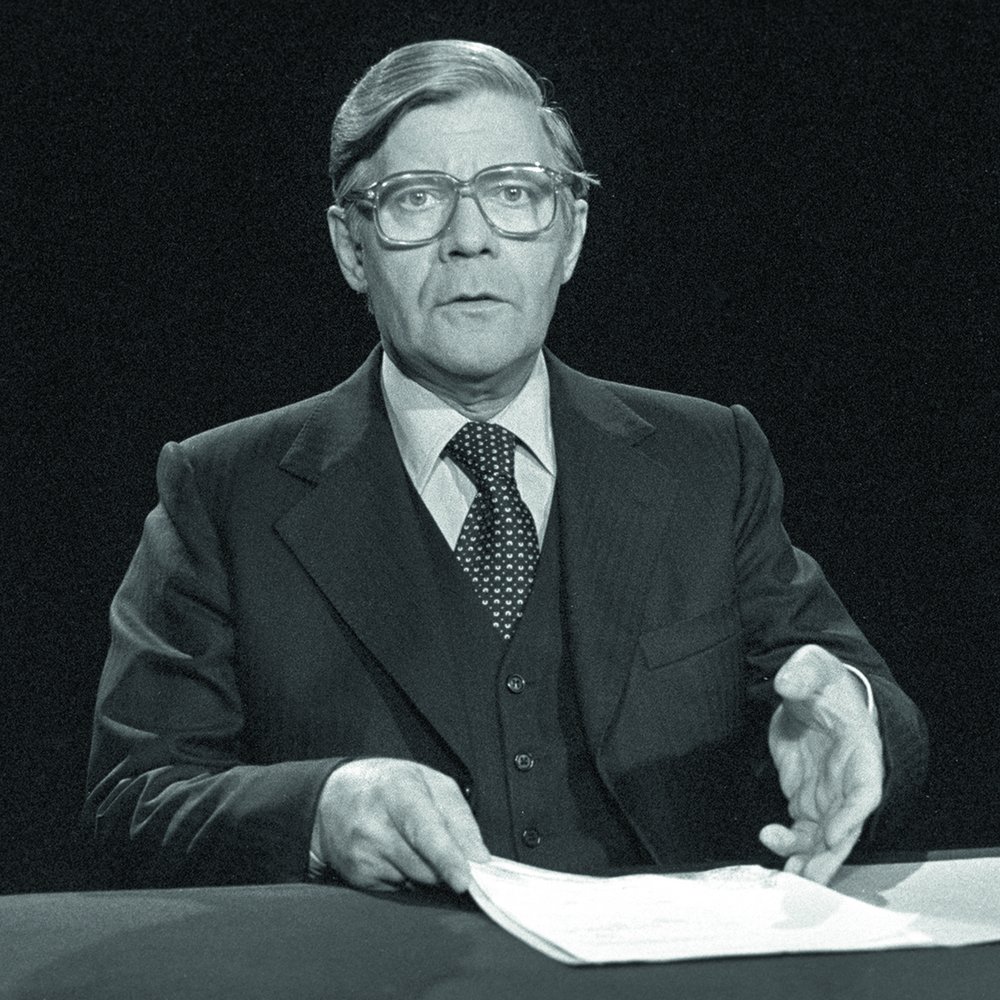
- 3. October 1976: Confirmation of the chancellorship in the Bundestag election against CDU lead candidate Helmut Kohl
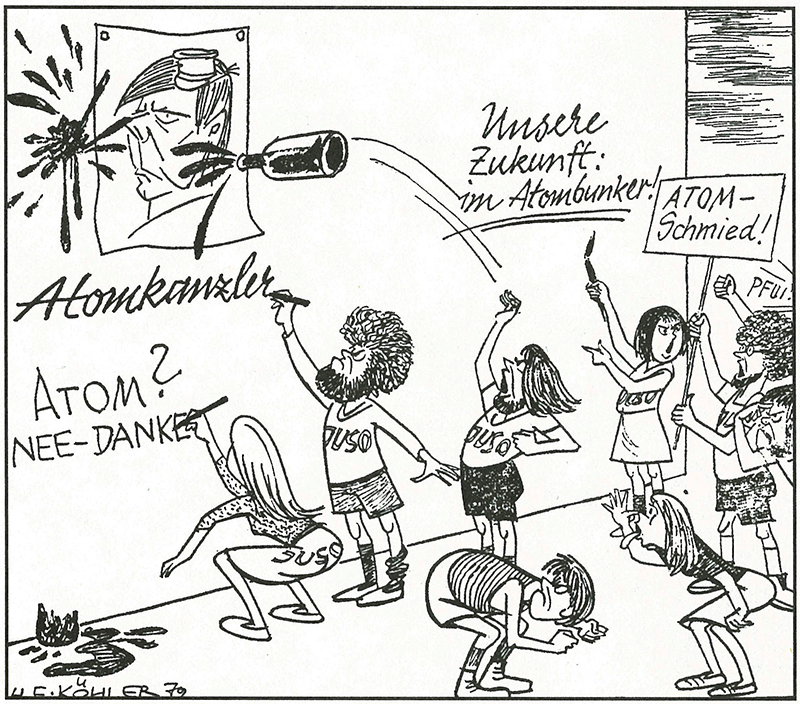
- Series of large-scale demonstrations and protests against nuclear power plants and facilities in Germany (Brokdorf, Gorleben, etc.), the Federal Government remains committed to nuclear power
- Trip to Auschwitz/Poland (1977); Helmut Schmidt speaks of one of his most difficult journeys
- In the “German Autumn” (1977) and beyond, decisive and consistent stance against the terrorists of the Red Army Faction (RAF)
- In the same year, much-noticed speech at the London International Institute for Strategic Studies, draft of a concept for establishing a strategic balance of nuclear weapons in Europe
1978 – 1980
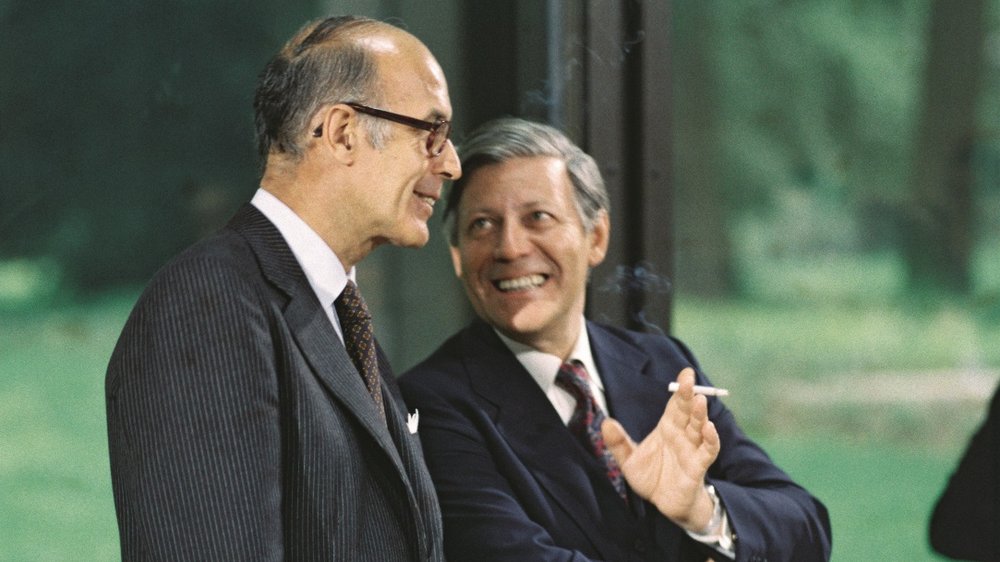
- Visit by Leonid Brezhnev, head of state and party leader of the Soviet Union, to Helmut and Loki Schmidt's house in Hamburg-Langenhorn (1978), talks on nuclear disarmament, among other things
- The heads of government of France, Great Britain, the Federal Republic of Germany and the USA make a preliminary decision on the NATO Double-Track Decision on the Caribbean island of Guadeloupe (January 1979), formal decision of the NATO member states on 12 December of that year
- Giscard d'Estaing and Helmut Schmidt jointly initiate the European Monetary System (EMS) (entry into force 1979), thus creating the basis for the later introduction of the euro
- Publication of the writings “Als Christ in der politischen Entscheidung” (1976) and “Der Kurs heißt Frieden” (1979)
1980 – 1981
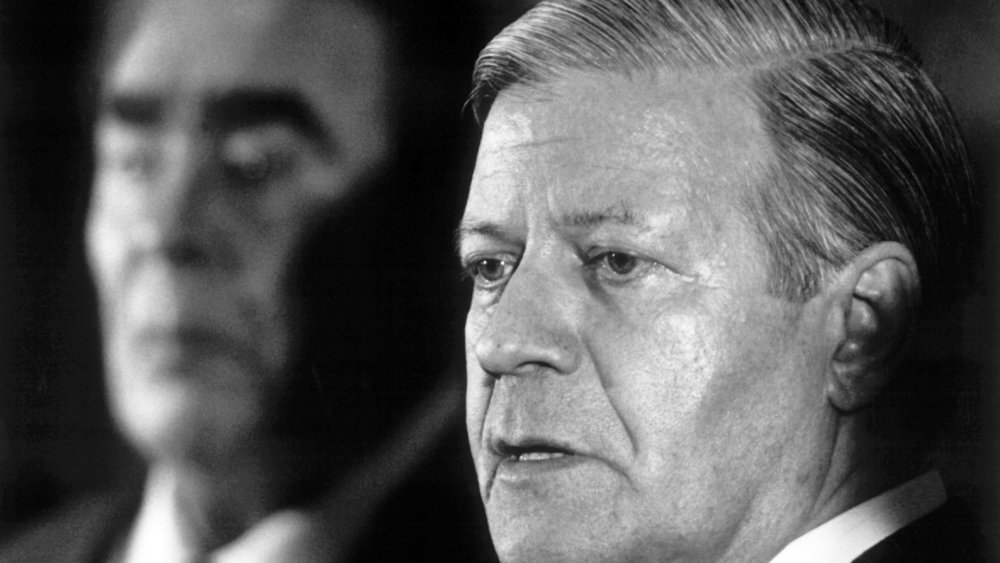
- Disarmament talks with the Soviet Communist leadership in Moscow and Bonn
- 5. October 1980: Helmut Schmidt wins the Bundestag election against Franz Josef Strauß (CSU) and is elected Chancellor on 5 November 1980
- Talks with GDR state and party leader Erich Honecker (continuation of the “change through rapprochement” policy)
- Start of a series of major peace demonstrations against nuclear rearmament in the Federal Republic (until the mid-1980s), Helmut Schmidt pushes through his pro-NATO double-track decision against strong resistance in society and in his own party
1982
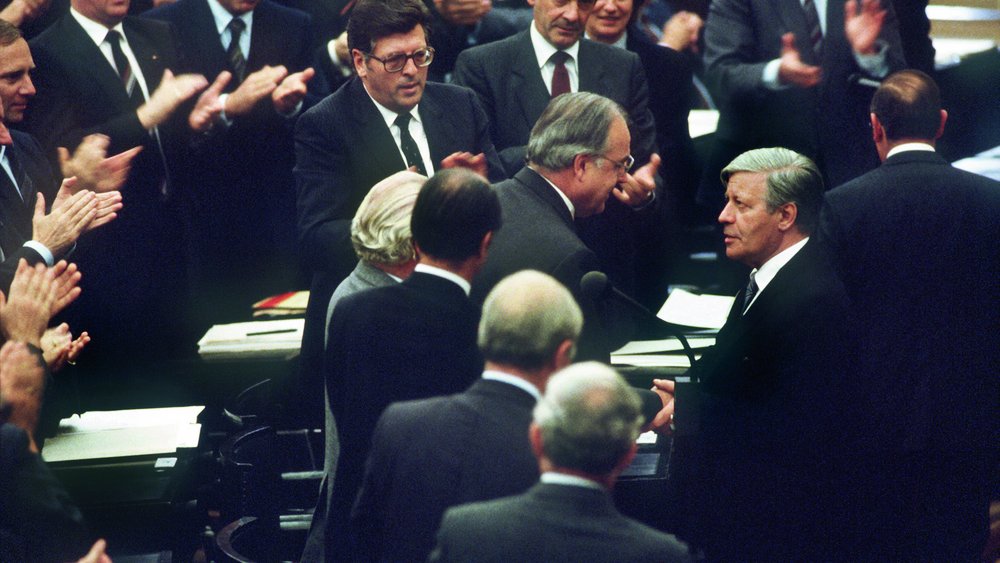
- The social-liberal coalition of SPD and FDP collapses in late summer 1982 due to differences over the course of economic policy
- 1. October: Following a constructive vote of no confidence in the German Bundestag, Helmut Schmidt resigns from the office of Federal Chancellor and is succeeded by Helmut Kohl (CDU) in a Christian-Liberal coalition Helmut Schmidt in his last statement as Chancellor on 1 October 1982 in the German Bundestag | excerpt | mp3 | © German Bundestag
1983 – 1993
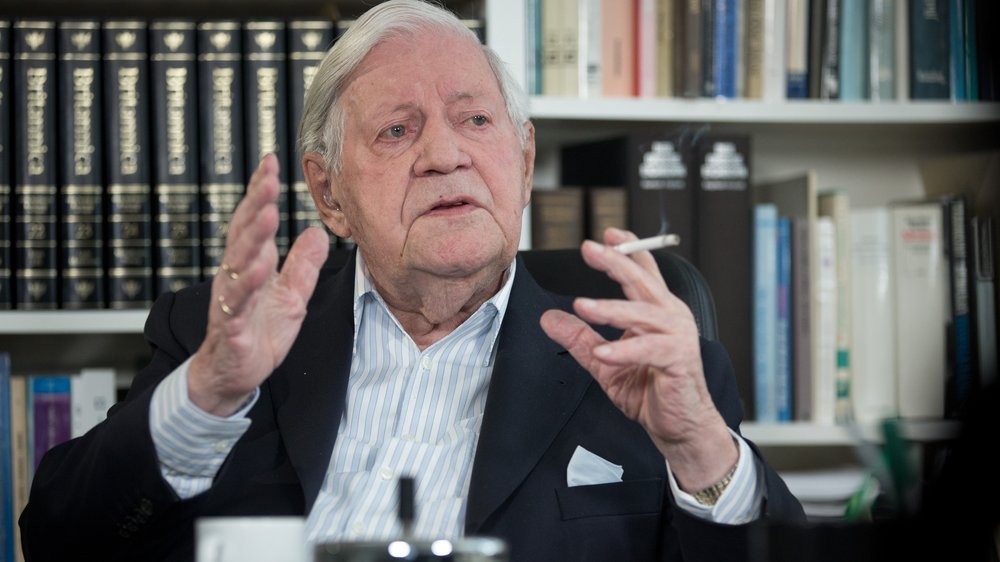
- Co-editor (and in the meantime managing director and publisher) of the weekly newspaper Die Zeit Retired from the German Bundestag (1987)
- Co-founder of the Interaction Council of former heads of government (1983), the Helmut and Loki Schmidt Foundation (1992) and the German National Foundation (1993)
1993 – 2015
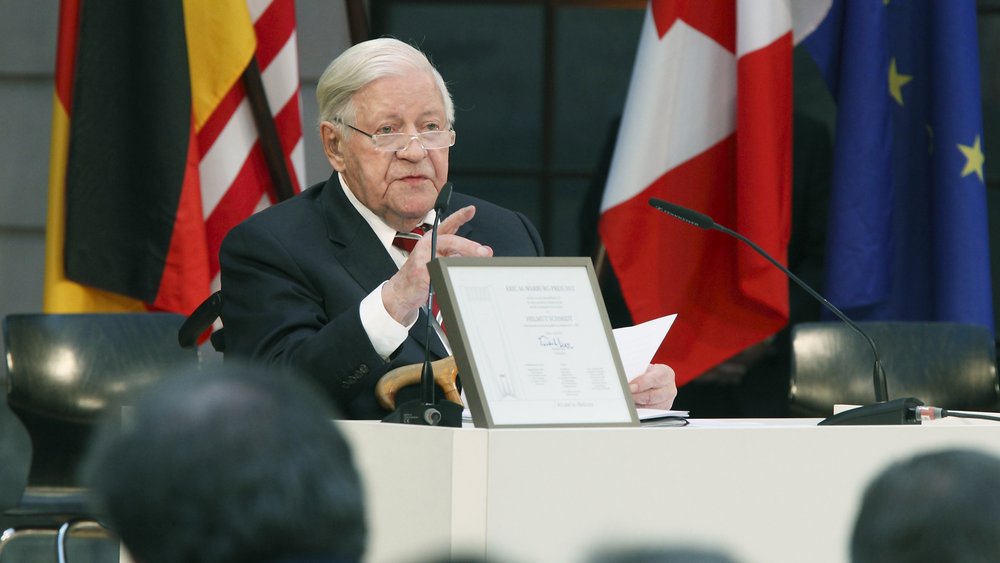
- Continuation of his extensive publishing activities (“People and Powers”, “Universal Declaration of Human Duties”, “Off Duty” and many more), many of the 50 or so publications become bestsellers, as well as hundreds of articles in books, newspapers and magazines
- Extensive international lecture tours, continued consultations on overcoming international problems and crises with politicians, scientists, economists and other important personalities around the world; presentation of numerous prizes, doctorates, awards and honorary citizenships
- 21. October 2010: Loki Schmidt dies in Hamburg
2015
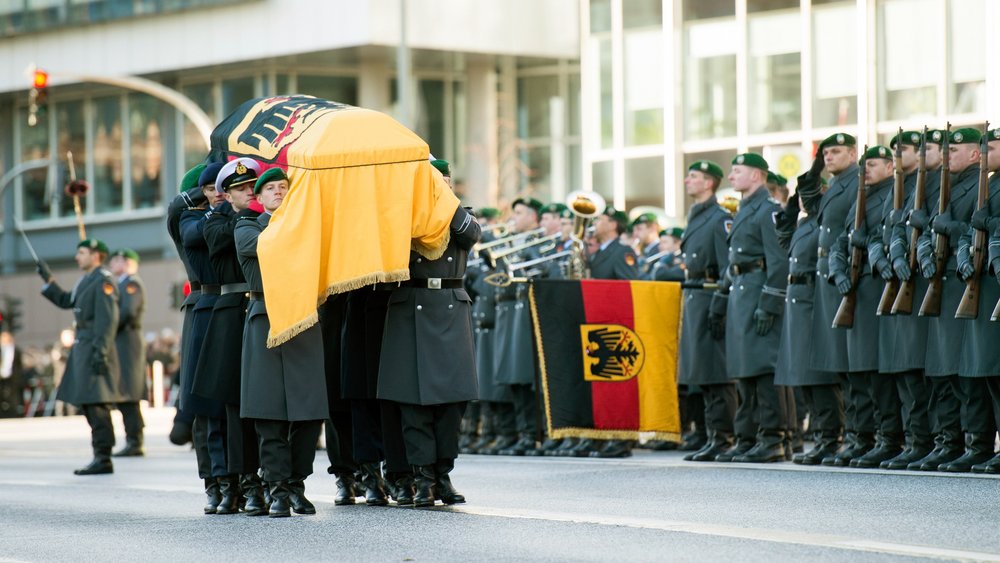
10. November 2015: Helmut Schmidt dies in Hamburg
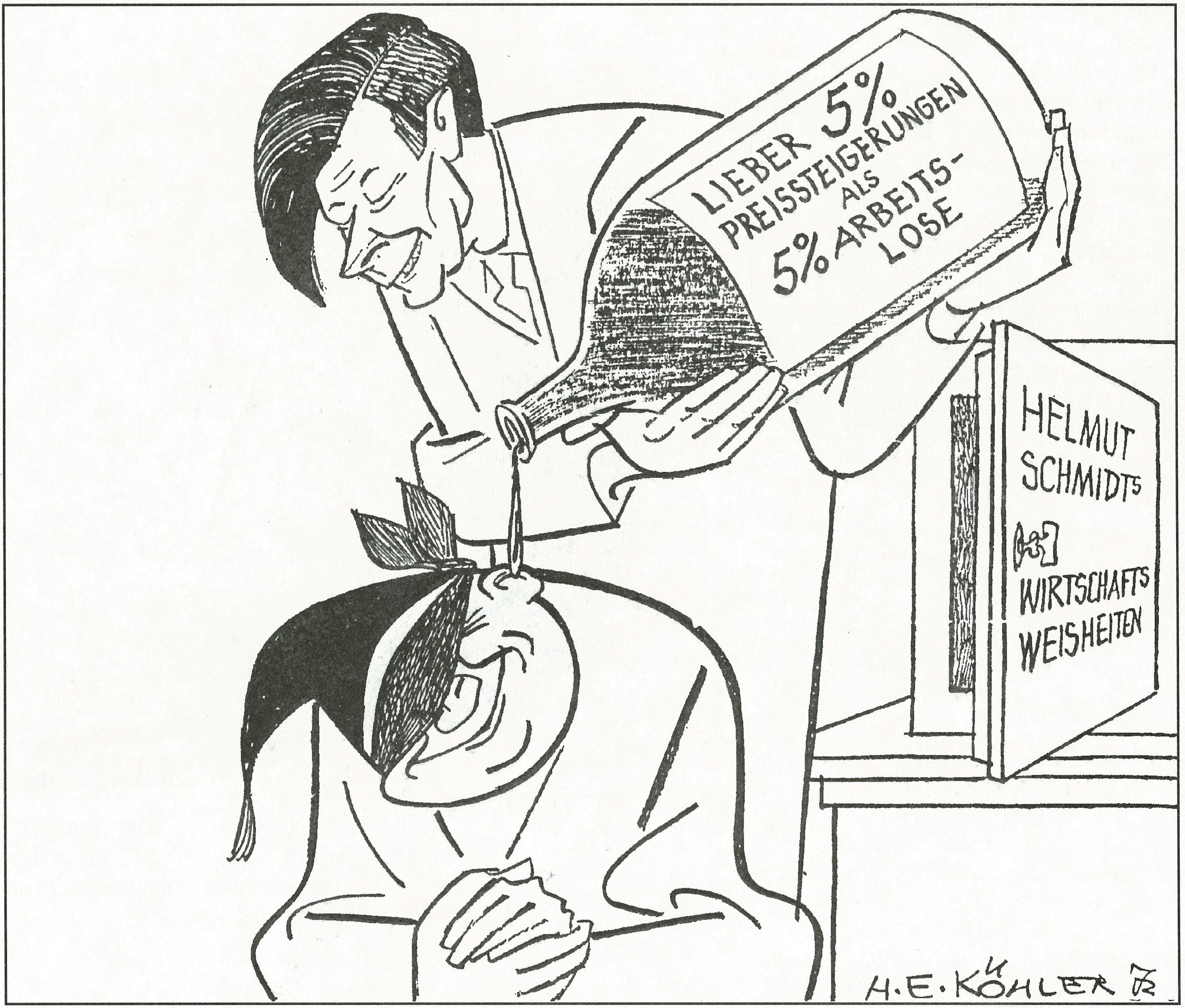
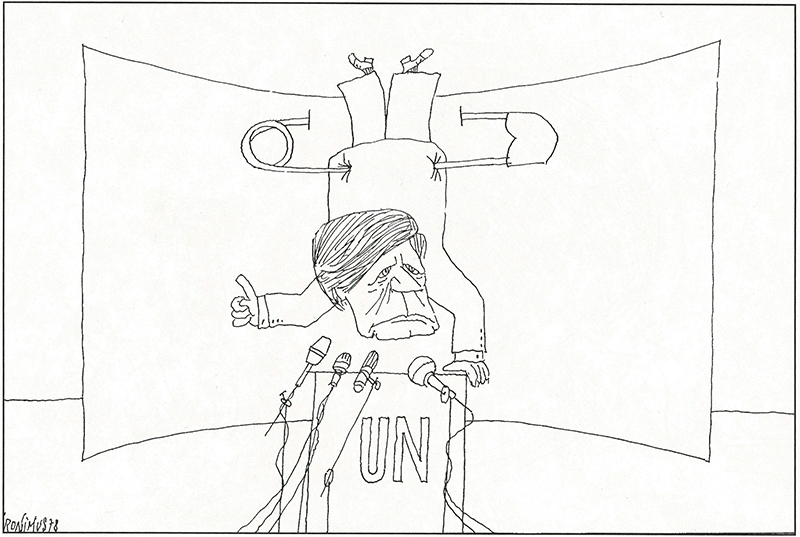
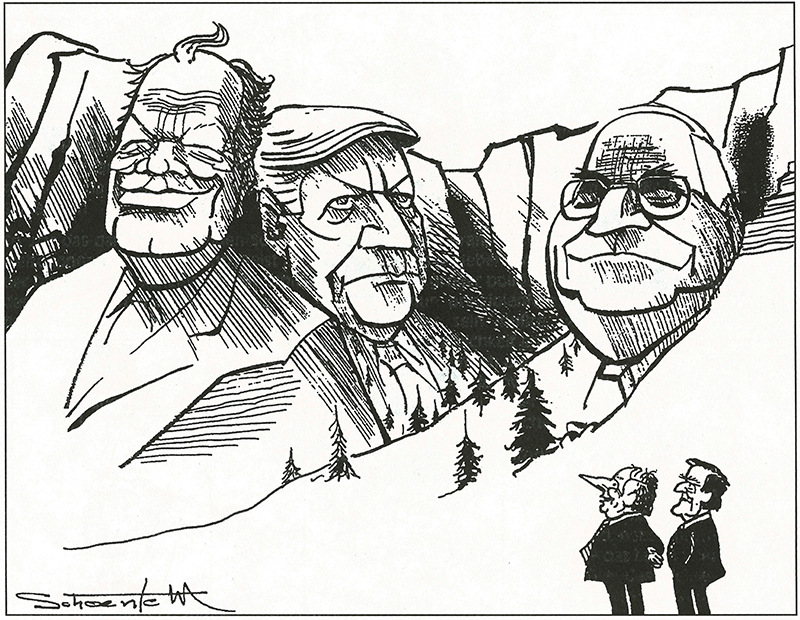
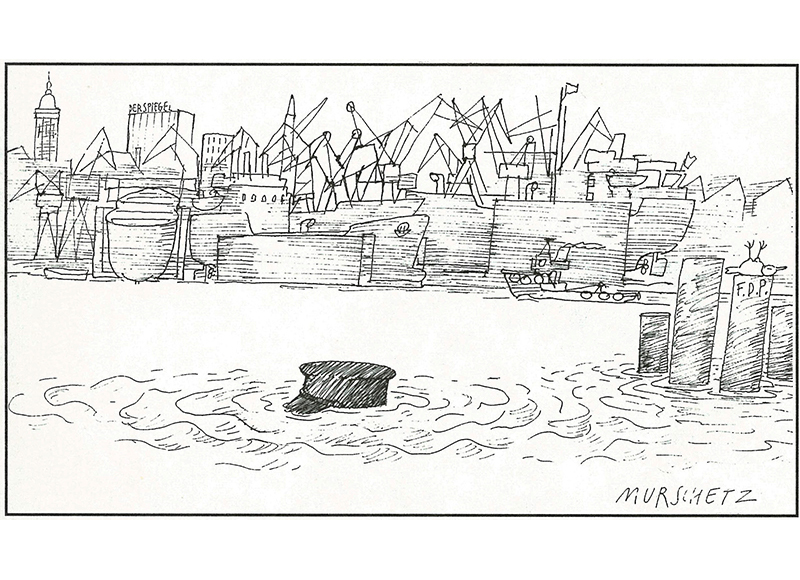
“Democracy also has a few downsides that you have to accept with love.”
(14 January 1979 in Der Spiegel)
“In a matter that I believe to be right, I will not bow to the majority.”
(19 May 1974 in Der Spiegel)
“I would go to the barricades for human rights in my own state if necessary.”
(9 January 2014 in Die Zeit)
“I tell young people in particular that democracy does not consist solely of the principle of forming majorities. Democracy ultimately finds its existential foundation in the humanisation of politics.”
(20 October 1977, government statement in the Bundestag)
“No enthusiasm should be greater than the sober passion for practical reason.”
(10 September 1986, last speech in the Bundestag)
“Politicians and journalists share the sad fate that they often talk today about things that they will only fully understand tomorrow.”
(27 January 1989 in Die Zeit)
“The global financial market and the global economy need globally applicable supervisory rules and security standards.”
(25 September 2008 in Die Zeit)
“I have to make compromises. Without the principle of compromise, the principle of democracy is not possible.”
(Helmut Schmidt, On the ethos of the politician, in: Six speeches, p. 61)
“We Europeans have no legitimisation to spread the principles of enlightenment by force in the Middle East.”
(29 March 2003, speech at the award ceremony for the Franz Josef Strauß Prize)