
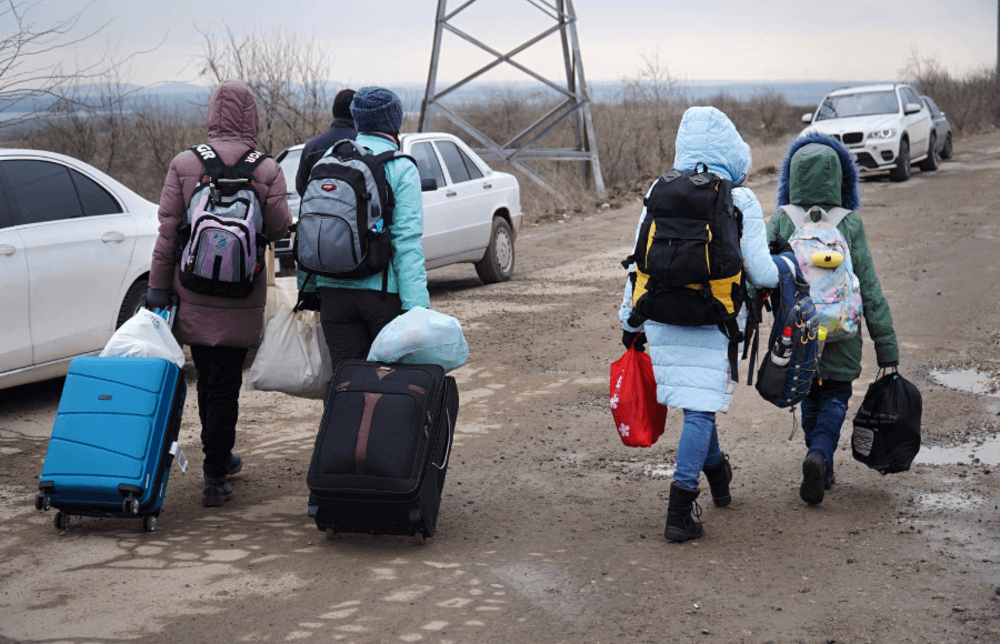
Ukraine: A war also against the civilian population
07. May 2022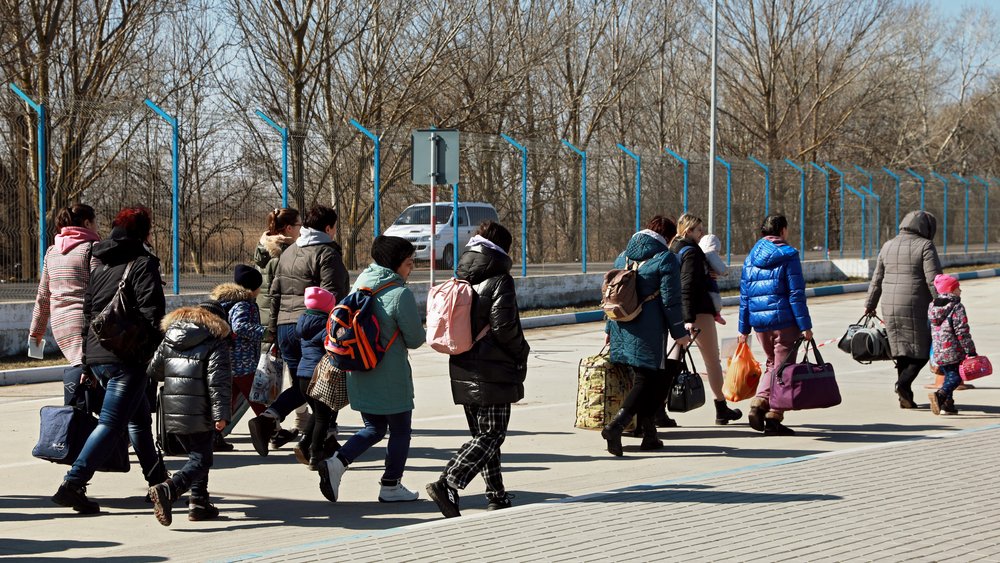
Every year in Germany and Europe, we celebrate Europe Day on 9 May. This date marks the anniversary of the Schuman Declaration, which was announced by the French Foreign Minister Robert Schuman on 9 May 1950. On Europe Day, we usually remember that the Schuman Plan was an important cornerstone for securing peace and freedom in Europe.
This year, however, Europe Day falls in the middle of a war in which Russian troops in Ukraine are committing the worst war crimes on European soil that we have seen since the wars in Bosnia (1992-1995) and Kosovo (1998-1999).
Ample evidence of war crimes
In particular, the apparently targeted violence against civilians in the town of Butsha, which came to light at the beginning of April, already symbolises the brutal actions of the armed forces. However, investigations by international human rights organisations such as Human Rights Watch have also documented numerous acts of violence against civilians beyond Butsha since the start of the Russian invasion on 24 February. Russian troops have reduced entire towns to rubble. They have attacked densely populated residential areas, schools, kindergartens and the water and electricity supply of cities and communities as well as hospitals, which means that in many places injured people can no longer receive adequate care. Amnesty International has documented the use of particularly brutal weapons such as cluster munitions and landmines. Arms export researcher Simone Wisotzki writes that even "escape routes from the Russian side are equipped with anti-tank mines and can therefore only be passed at the highest risk to the lives of people in vehicles".
Witnesses in various cities also report summary executions, torture, sexualised violence and rape by Russian troops. Recent survey results show that 93 per cent of Ukrainians have heard of rape or sexual assaults by Russian forces. In view of the fact that those affected often do not speak openly about what they have experienced out of shame and fear, researchers are already calling this figure "astonishingly high".
Why do warring parties attack civilians?
It is not uncommon for people who do not belong to the regular or irregular armed forces to become the target of violence in wars and armed conflicts. Figures from the Conflict Data Programme at Uppsala University show that this violence has played a significant role in global conflicts for decades. This was particularly bad in the early 1990s, when hundreds of thousands of civilians were murdered during the genocide in Rwanda and the Bosnian war.
But wars and armed conflicts do not automatically go hand in hand with high levels of violence against civilians. In other words, crimes such as those we are currently seeing in Ukraine are not an unavoidable side effect of wars, but often a deliberate and strategic decision by the warring parties. For this reason, the extent and type of violence against civilians that we observe in wars around the world also varies. In some wars, for example, sexualised violence is widespread, as in the Bosnian war, while in others it is of a more limited nature, as in Sri Lanka.
Why is this the case? Experts have been investigating this question for years. Through their research, we know that warring parties that lack internal disciplinary procedures to punish offences, or armed forces that recruit their members primarily under duress, are more likely to be violent towards civilians. We also know that warring parties pursue different goals with this form of violence. These include the humiliation, expulsion or annihilation of the opposing side - but also the fact that acts of violence committed together weld the troops together. The Norwegian peace researcher Ragnhild Nordås writes that we can also observe precisely these aspects in the Russian war against Ukraine. According to reports, young Russian conscripts were sent to war without preparation and under the pretext of a military exercise; human rights organisations report forced recruitment. In addition, the Russian military has a tradition of human rights violations and has already targeted civilians in other wars, such as in Chechnya and Syria.
How can this violence be countered?
The international community does not have to stand idly by while war crimes are committed. It has a range of civilian and military instruments to contain wars and armed conflicts and to prevent and deal with violence against civilians. The political debate in Germany is currently focussing on the risks and legal consequences of using military means such as arms deliveries and whether this deployment could make Germany a party to the war.
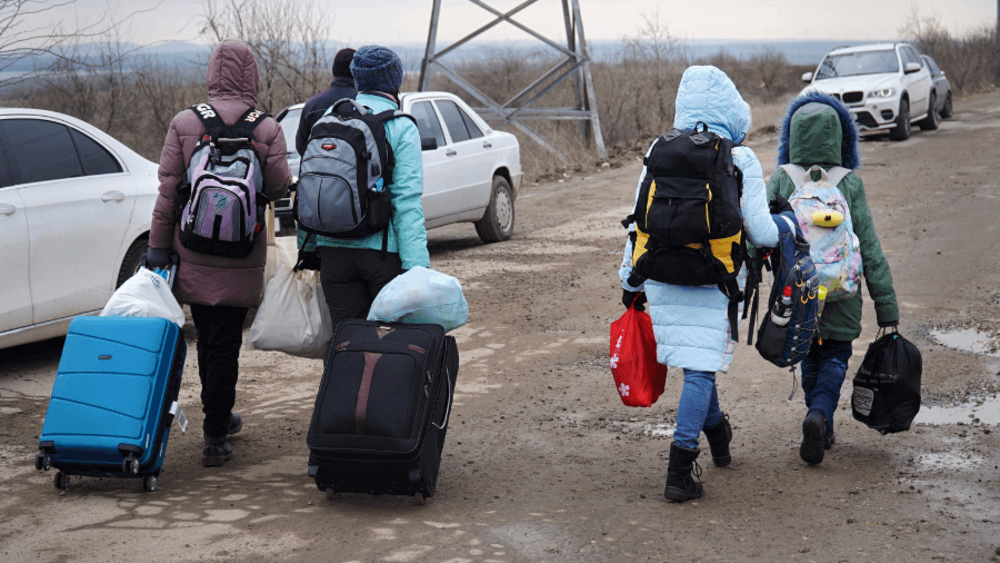
There are legitimate arguments for and against this debate on both sides. It is important and right to support Ukraine with arms supplies so that it can defend itself against Russian aggression. But we are not discussing enough other ways in which the international community can help protect civilians in Ukraine, both acutely and in the long term. These means include, for example, support for the establishment of protection corridors and the evacuation of civilians from contested areas; a continued willingness to take in refugees; the provision of medical care for survivors; and, in particular, the systematic documentation of war crimes and the interrogation of witnesses in order to enable a consistent investigation and prosecution of these acts at a later date.
In the long term, the Ukrainian civilian population must help to shape peace. For many reasons, genuine peace negotiations in Ukraine are currently extremely unlikely. The talks held so far between delegations from both sides have not led to any improvement in the situation on the ground. It is also questionable what a compromise could even look like that does not reward Russian aggression with significant and possibly even territorial concessions. However, if serious peace or ceasefire negotiations were to take place, then an end to violence against the civilian population would have to be part of the talks and the civilian population would have to participate in these rounds. There is both support for this in Ukraine and evidence of the effectiveness of this participation. Swedish political scientist Desirée Nilsson, for example, has found that the risk of peace agreements failing is reduced by 64 per cent if civil society is involved in talks. In a war against the civilian population, there can be no peace without the civilian population.
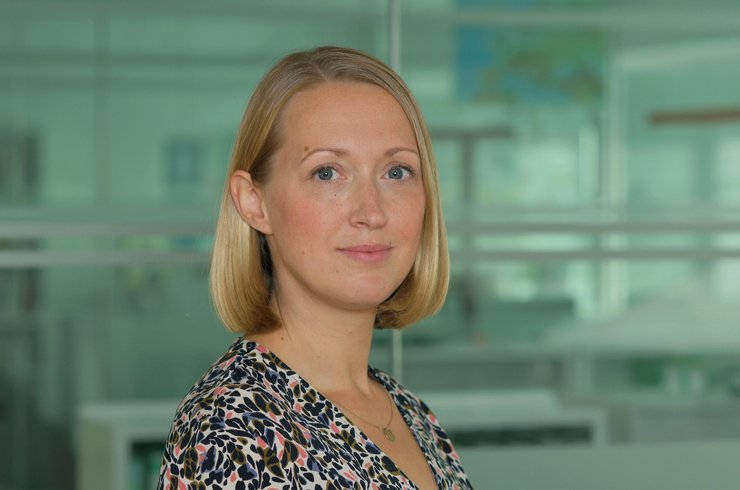
Dr Julia Strasheim is Head of International Affairs at the Berlin Police Headquarters. Until May 2024, she was Deputy Managing Director of our foundation and held the position of Programme Director for Europe and International Politics at the Bundeskanzler-Helmut-Schmidt-Stiftung. She is also an associate researcher at the German Institute for Global and Area Studies (GIGA) and regularly lectures in the field of peace and conflict research. Her work focuses on peacebuilding, peace negotiations and the transformation of post-war societies in Europe and Asia.
More