
DIALOG. IMPULSE. HALTUNG.
The Bundeskanzler-Helmut-Schmidt-Stiftung addresses the pressing issues of our time, promotes social discourse and develops ideas for the world of tomorrow. We network experts both nationally and internationally, thereby preserving the legacy of one of the most influential statesmen of the 20th century.
![[Translate to English:] Teilnehmende des Kick-Off-Workshops](/fileadmin/_processed_/8/d/csm_GEG_DSCF1575a_c_Michael_Zapf_7c4f9ae7a2.jpg)
Kickoff Workshop of the Global Expert Group
23. Jun 2023![[Translate to English:] Impression Kick-Off-Workshop](/fileadmin/_processed_/2/c/csm_GEG_2306GlobZZ171_c_Michael_Zapf_0d2f06971a.jpg)
![[Translate to English:] Impression Kick-Off-Workshop](/fileadmin/_processed_/d/2/csm_GEG_2306GlobZZ416_c_Michael_Zapf_a013851b49.jpg)
![[Translate to English:] Impression Kick-Off-Workshop](/fileadmin/_processed_/0/4/csm_GEG_2306GlobZZ448_c_Michael_Zapf_de91541fc6.jpg)
![[Translate to English:] Teilnehmende Kick-Off-Workshop](/fileadmin/_processed_/b/2/csm_GEG_2306GlobZZ798_c_Michael_Zapf_08d1e830b7.jpg)
![[Translate to English:] Teilnehmende Kick-Off-Workshop](/fileadmin/_processed_/8/d/csm_GEG_DSCF1575a_c_Michael_Zapf_afa1db369d.jpg)
Together with the Friedrich Ebert Foundation (FES), we organized a two-day workshop in Hamburg. From June 21 to 23, our “Global Expert Group on Conflict Resolution and Peacebuilding” met to discuss the global consequences of Russia’s war against Ukraine.
The network consists of representatives from academia, civil society, and politics who themselves come from conflict and post-conflict countries or have worked on these issues in their regions.
In a kick-off session on Thursday, June 22, the group identified the topics it would explore in greater depth during the workshop. Afterward, the participants split into two teams, each focusing on different topics such as “A new debate on geopolitics and double standards,” “Direct effects of Russia’s war against Ukraine and their structural underpinnings,” and “The future of peacebuilding and conflict resolution.”
In doing so, they examined the consequences of the war in Ukraine, the changing world order, and particularly the role of the Global South in peacekeeping and conflict resolution efforts. The discussion also focused on the shifting perception of conflicts in other parts of the world and lessons learned from the past. In this regard, the participants particularly emphasized the role of the civilian population in peacebuilding processes in former conflict zones and measures for managing weapons in conflict zones—and what happens to them once the fighting has ended.
Last but not least, questions regarding the fairness of energy supply, the impacts of climate change in different parts of the world, and how to address these consequences were also on the agenda. Here, participants highlighted the importance of a “Just Transition”—that is, the equitable transformation of economic, political, ecological, and social structures.
To delve deeper into the topics discussed in the workshop, the group ran through five scenarios in a “Strategic Foresight” exercise at the end to open up new horizons of ideas and think outside the box.
Over the next few months, the group will review the workshop’s results and, following further meetings, develop policy recommendations based on them. These are scheduled to be published in multiple languages in early 2024.
Kickoff Workshop of the Global Expert Group
23. Jun 2023Together with the Friedrich Ebert Foundation (FES), we organized a two-day workshop in Hamburg. From June 21 to 23, our “Global Expert Group on Conflict Resolution and Peacebuilding” met to discuss the global consequences of Russia’s war against Ukraine.
The network consists of representatives from academia, civil society, and politics who themselves come from conflict and post-conflict countries or have worked on these issues in their regions.
In a kick-off session on Thursday, June 22, the group identified the topics it would explore in greater depth during the workshop. Afterward, the participants split into two teams, each focusing on different topics such as “A new debate on geopolitics and double standards,” “Direct effects of Russia’s war against Ukraine and their structural underpinnings,” and “The future of peacebuilding and conflict resolution.”
In doing so, they examined the consequences of the war in Ukraine, the changing world order, and particularly the role of the Global South in peacekeeping and conflict resolution efforts. The discussion also focused on the shifting perception of conflicts in other parts of the world and lessons learned from the past. In this regard, the participants particularly emphasized the role of the civilian population in peacebuilding processes in former conflict zones and measures for managing weapons in conflict zones—and what happens to them once the fighting has ended.
Last but not least, questions regarding the fairness of energy supply, the impacts of climate change in different parts of the world, and how to address these consequences were also on the agenda. Here, participants highlighted the importance of a “Just Transition”—that is, the equitable transformation of economic, political, ecological, and social structures.
To delve deeper into the topics discussed in the workshop, the group ran through five scenarios in a “Strategic Foresight” exercise at the end to open up new horizons of ideas and think outside the box.
Over the next few months, the group will review the workshop’s results and, following further meetings, develop policy recommendations based on them. These are scheduled to be published in multiple languages in early 2024.
Democracy education
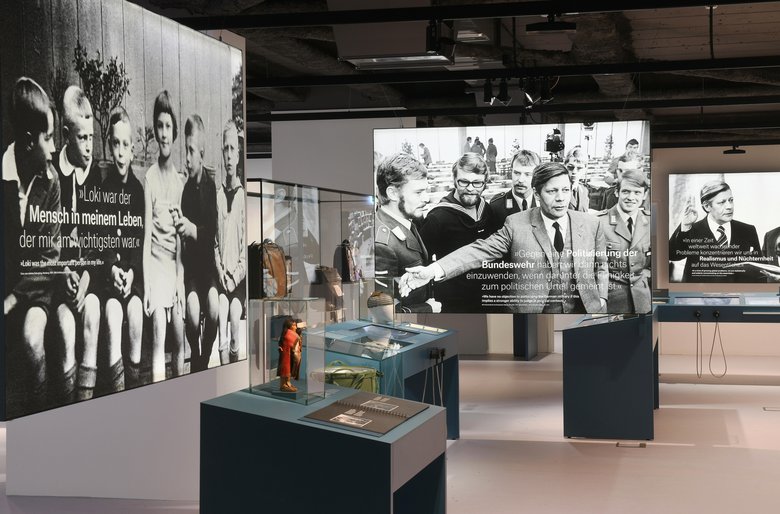
Democracy is more than parliamentary debates. Democracy concerns everyone and thrives on the participation of as many people as possible. We are working towards a fair and diverse democracy. Through a variety of educational programmes and events, we share knowledge on current political issues and help people develop practical skills for democracy. We connect people in dialogue and encourage democratic cooperation.

